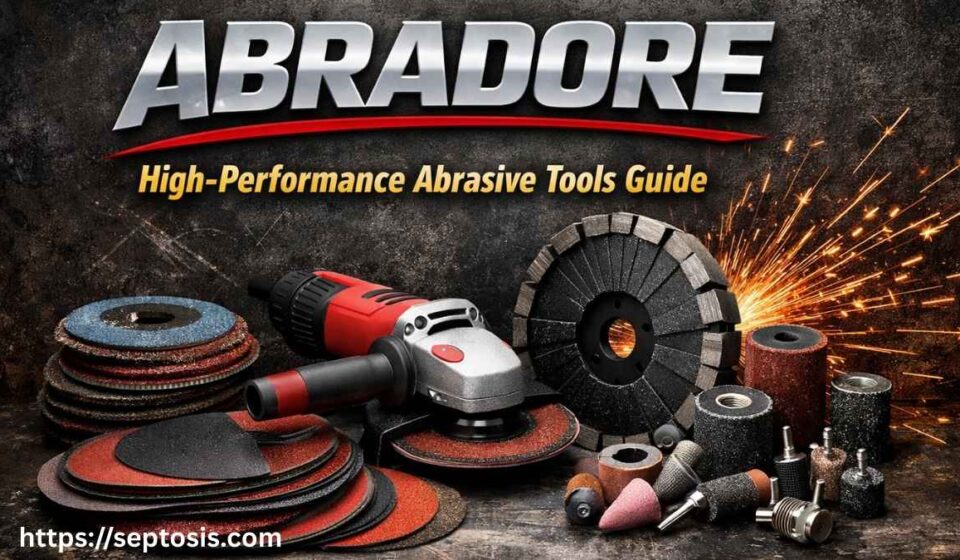

Introduction
In the world of metalworking, woodworking, and construction, efficiency and precision are paramount. That’s where an Abradore comes into play. Often overlooked by beginners, abradore tools are specialized abrasive instruments designed to smooth, shape, and polish surfaces with speed and accuracy. From DIY enthusiasts to industrial professionals, understanding how to use and maintain an abradore can significantly enhance project outcomes while saving time and effort.
In this guide, we will break down everything you need to know about abradore tools—from types and applications to maintenance tips and expert techniques. By the end, you’ll have the knowledge to select the right abradore for your projects and maximize its performance.
What Is an Abradore?
An abradore is a specialized tool used for grinding, smoothing, or polishing surfaces. It typically consists of a rotating or vibrating abrasive component that removes material efficiently. While the term may sound unfamiliar, abradore tools are commonly seen in workshops under various names such as sanders, grinders, or polishers, depending on the specific function.
Key Features of Abradore Tools
- Abrasive Surface: Made of materials like aluminum oxide, silicon carbide, or diamond grit.
- Versatility: Can be used on wood, metal, plastic, and composites.
- Power Options: Manual, electric, or pneumatic abradore tools are available.
- Precision: Enables fine detailing for professional finishes.
Understanding these features helps in choosing the right tool for specific tasks, whether you’re sanding down a wooden cabinet or polishing a stainless steel countertop.
Types of Abradore Tools
Abrasive tools come in many forms, each suited for specific jobs. Here’s a breakdown of the most common types:
1. Belt Abradore
- Usage: Heavy material removal, shaping rough surfaces.
- Advantages: Fast, efficient, and ideal for large surface areas.
- Example: Industrial belt sanders used in furniture production.
2. Disc Abradore
- Usage: Smoothing edges, polishing, and finishing.
- Advantages: Offers precision with adjustable speeds.
- Example: Angle grinders with sanding discs for metalwork.
3. Drum Abradore
- Usage: Shaping and rounding wood or metal parts.
- Advantages: Excellent for contour work and curved surfaces.
- Example: Woodturning lathes with abrasive drums.
4. Manual Abradore
- Usage: Light sanding and finishing by hand.
- Advantages: Simple, inexpensive, and portable.
- Example: Hand sanding blocks for woodworking projects.
How to Choose the Right Abradore
Selecting the right abradore depends on material, task, and desired finish. Consider these factors:
- Material Type: Wood, metal, or plastic requires different grit levels.
- Project Size: Large areas benefit from belt or disc abradore tools.
- Finish Quality: Fine polishing needs high-grit abrasives.
- Power Source: Electric or pneumatic tools are better for continuous work.
Tips for Optimal Selection
- Identify the surface material and hardness.
- Determine the level of precision needed.
- Match abrasive type (aluminum oxide, silicon carbide, diamond).
- Check ergonomics and safety features for prolonged use.
By carefully evaluating these factors, you can ensure faster results and longer tool life.
Proper Use and Techniques for Abradore Tools
Using an abradore efficiently requires technique, safety, and proper maintenance.
Step-by-Step Guide
- Prepare the Surface: Clean the area to remove dirt or debris.
- Select the Correct Abrasive: Choose grit based on material hardness.
- Secure the Material: Clamp or stabilize workpieces to prevent accidents.
- Adjust Tool Speed: Use low speeds for delicate surfaces, high speeds for rough work.
- Use Controlled Motion: Avoid pressing too hard to prevent gouging.
- Inspect Progress: Regularly check surface smoothness and uniformity.
Safety Tips
- Always wear protective goggles and gloves.
- Use dust extraction systems to minimize inhalation of debris.
- Keep hands and clothing away from rotating parts.
Pro mastering these techniques leads to professional finishes and reduces the risk of tool damage.
Maintenance and Care of Abradore Tools
Proper maintenance extends the life of your abradore and ensures consistent performance.
Maintenance Checklist
- Clean After Use: Remove dust and abrasive particles.
- Inspect for Wear: Check belts, discs, or drums for damage.
- Lubricate Moving Parts: Follow manufacturer guidelines for oils or greases.
- Store Properly: Keep tools in dry, clean environments to prevent rust.
Common Issues and Fixes
- Uneven Surface Finish: Replace worn abrasive components.
- Overheating: Reduce speed or take breaks during prolonged use.
- Vibrations: Check for loose attachments or worn bearings.
Regular care not only improves safety but also enhances the quality of your work.
Applications of Abradore Tools
Abrasive tools are incredibly versatile across industries:
- Woodworking: Smoothing, shaping, and finishing furniture.
- Metalworking: Deburring, grinding, and polishing metals.
- Automotive: Sanding body panels and polishing finishes.
- DIY Projects: Home improvement and repair tasks.
Case Study: In a furniture workshop, using a belt abradore reduced sanding time by 40%, while a fine disc abradore gave a flawless finish to premium hardwood tables.
Conclusion
An abradore is an essential tool for anyone looking to achieve smooth, polished, and professional finishes in woodworking, metalworking, or DIY projects. By understanding the types, proper usage, maintenance, and safety measures, both beginners and professionals can maximize efficiency and quality.
Take the time to choose the right abradore for your project, practice proper techniques, and maintain your tools regularly. For more expert tips on woodworking and metalworking tools, check our related guides and enhance your workshop skills today.
Frequently Asked Questions (FAQ)
Q1: What is an abradore used for?
A: An abradore is used for smoothing, shaping, and polishing surfaces across wood, metal, and other materials.
Q2: Can I use one abradore for multiple materials?
A: Yes, but you must select the correct abrasive type and grit for each material to avoid damage.
Q3: How often should I replace the abrasive surface?
A: Replace worn belts, discs, or drums when performance drops or the surface finish is uneven.
Q4: Is safety equipment necessary while using an abradore?
A: Absolutely. Always wear gloves, goggles, and dust masks to prevent injury and inhalation of debris.
Q5: Can beginners use abradore tools safely?
A: Yes, with proper guidance, safety precautions, and controlled use, beginners can achieve professional results.