

Sepsis After Surgery: Signs to Watch For After an Operation

An operation is meant to fix a problem, yet the days after surgery carry a risk of their own. Sepsis after surgery is a rare but serious complication, and it can develop even when the operation itself went well. It happens when an infection after surgery…

How to Prevent Sepsis
Sepsis is frightening, yet much of it can be prevented. After all, sepsis never starts on its own. It always begins with an infection, so stopping infections is the surest way to stop sepsis. Fortunately, most of the steps that protect you are simple,…

Meningitis vs Sepsis: How to Tell Them Apart
Meningitis and sepsis are two words that frighten most parents, and with good reason. Both can develop fast, both can become life-threatening within hours, and both share early symptoms that look like flu. Yet they are not the same condition. Meningitis…

Sepsis from a UTI: Warning Signs to Watch For
A urinary tract infection, often called a UTI, is one of the most common infections of all. Most UTIs stay in the bladder, cause burning pain when you pass urine, and clear up with treatment. Sometimes, however, the infection travels further. When it…

Sepsis and Pneumonia: When a Chest Infection Becomes Sepsis
A chest infection can feel like a bad cold at first. You cough, you feel tired, and you expect to feel better in a few days. For most people, that is exactly what happens. However, pneumonia can sometimes turn into something far more serious. When the…

Neonatal Sepsis: Signs in Newborns Parents Should Know
Bringing a newborn home is joyful, yet the first weeks can also feel worrying. After all, tiny babies cannot tell us how they feel. Neonatal sepsis is one of the illnesses that new parents most need to understand, because it can develop quickly and it…

Sepsis in Pregnancy: Signs, Risks and Treatment
Sepsis in pregnancy is rare, but it is serious, and every expectant parent should know the warning signs. Sepsis happens when an infection triggers an extreme reaction in the body, and that reaction starts to damage the organs. It can develop during…

Sepsis and the Flu: When Flu Becomes Dangerous
Flu season is here again. As the days grow colder and darker, flu viruses start to spread through schools, workplaces and homes across the UK. For most people, flu means a miserable week in bed, followed by a slow recovery. For some, though, flu can turn…

What Causes Sepsis? The Infections and Risk Factors Behind It
Sepsis does not start on its own. It always begins with an infection somewhere in the body. A chest infection, a urinary infection, an infected wound or a burst appendix can each set the process in motion. The germ itself is only the first half of the…
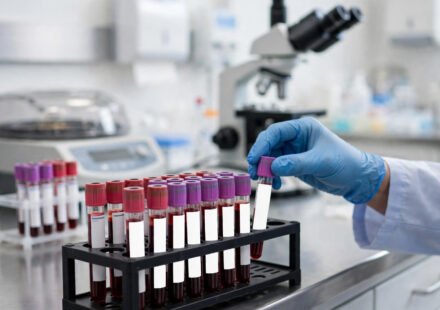
How Is Sepsis Diagnosed? Tests, Scores and What Doctors Look For
Many people expect one simple blood test to answer the question. They imagine a clear positive or negative result, like a pregnancy test. Sepsis does not work that way. There is no single test that proves sepsis, and no single test that rules it out.…
