

Many people expect one simple blood test to answer the question. They imagine a clear positive or negative result, like a pregnancy test. Sepsis does not work that way. There is no single test that proves sepsis, and no single test that rules it out.
Instead, doctors build the diagnosis from several pieces. They combine your symptoms, your vital signs, blood tests and scoring systems. They also hunt for the infection that started the problem. In our complete guide to what sepsis is and why it happens, we explain how an infection can trigger this dangerous reaction in the first place.
This article walks through each step. You will learn which blood tests matter, what scores like SOFA and NEWS2 actually mean, and why treatment often starts before doctors are fully sure. One warning first, though. Never wait at home for a test result if sepsis is possible. Sepsis is an emergency, so seek urgent help straight away.
First, Doctors Look at the Whole Picture
Every sepsis assessment starts with a conversation and an examination. First, the doctor asks when the illness began and how it has changed. They also ask about recent infections, surgery, wounds and long-term health conditions. In addition, they ask which medicines you take, because some drugs weaken the immune system.
Next, the team checks your vital signs. They measure your temperature, heart rate and breathing rate. They also check your blood pressure, your oxygen levels and how alert you are. New confusion or slurred speech is a serious warning sign. So is skin that looks mottled, pale or ashen, or a rash that does not fade when pressed.
These checks matter because they show how your organs are coping. For example, fast breathing can signal struggling lungs, or acid building up in the blood. Passing very little urine points to kidneys under stress. Many of these changes match the early signs of sepsis that families can spot at home. However, hospital teams measure them precisely, and they repeat the checks often. One reading rarely tells the whole story, but a worsening trend raises the alarm.
Blood Tests Used in Sepsis Diagnosis
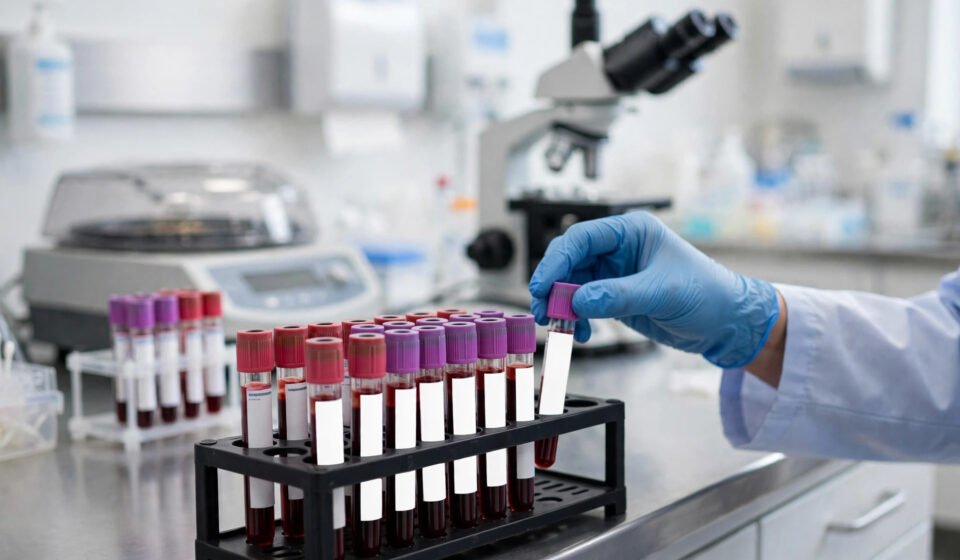
Blood tests form the second piece of the puzzle. Doctors usually take several samples at the same visit. Each test answers a different question. Together, they show whether an infection is present and how severe the illness has become.
Blood cultures: trying to find the germ
A blood culture tries to grow the germ that caused the infection. Staff take blood from a vein, ideally before antibiotics start. Antibiotics can kill germs in the sample and hide the answer. However, taking the sample must never delay treatment. If the sample proves hard to get, doctors give the antibiotics first.
Cultures also take time, because the lab must grow any germs first. A first answer often takes a day or more, and full results can take several days. In addition, cultures come back negative in many people who truly have sepsis. A negative culture therefore does not rule sepsis out. It simply means the lab did not grow a germ from that sample.
Lactate: a clue that organs are struggling
Lactate is one of the most useful early tests. Your cells release lactate when they cannot get enough oxygen. A normal level is low. A raised level, above 2 mmol/L, suggests that the tissues are under stress. Higher levels mean a higher risk, and doctors repeat the test to check whether it falls with treatment.
Doctors measure lactate from a blood gas sample, so the result comes back quickly. NICE guidance treats a lactate above 4 mmol/L as an emergency. Those patients need fluids within an hour and a review by critical care. In short, lactate helps doctors judge urgency as well as diagnosis.
Full blood count and CRP
A full blood count checks your blood cells. The white cell count often rises as the body fights infection. However, it can also fall in severe sepsis, so both extremes worry doctors. Platelets matter too, because a falling platelet count can show that clotting is going wrong.
CRP is another common test. It measures inflammation in the body, and it usually rises when infection is present. But CRP cannot show where the infection is. It also cannot separate sepsis from other causes of inflammation. Doctors therefore read it alongside everything else, never on its own.
Procalcitonin: helpful, but not a magic answer
Some hospitals also measure procalcitonin. This marker tends to rise more in bacterial infections than in viral ones. As a result, it can support decisions about antibiotics in some settings. However, it has real limits. NICE reviewed the evidence and found too little support for using it as a routine sepsis test. It is not available everywhere, and it never diagnoses sepsis on its own.
Other Tests That Help Find the Infection
Blood tests show how the body is coping. Other tests, meanwhile, hunt for the source of the infection. Finding the source matters, because treatment works best when it targets the right problem. Depending on the symptoms, doctors may arrange:
- Urine tests and a urine culture, especially when a urinary infection is likely.
- Blood gas tests, which show oxygen, carbon dioxide and acid levels in the blood.
- Kidney and liver blood tests, which reveal whether those organs are struggling.
- Clotting tests, because sepsis can disturb the way the blood clots.
- A lumbar puncture, where a small needle takes fluid from around the spine. Doctors use this test when they suspect meningitis, and it is common in young babies.
- Imaging, such as a chest X-ray, an ultrasound scan or a CT scan.
For example, a chest X-ray can confirm pneumonia. A CT scan can find a hidden abscess deep in the tummy. These scans do not show sepsis itself. Instead, they show the infection that triggered it, and that guides the treatment.
The Scoring Systems: SOFA, qSOFA and NEWS2
Doctors also use scoring systems. These tools turn a set of measurements into a single number. The number helps teams spot risk early and describe a patient clearly. However, no score makes the diagnosis alone. Scores support clinical judgement; they never replace it.
SOFA: the score behind the definition
SOFA sits behind the modern definition of sepsis, agreed by experts in 2016. It grades six body systems: the lungs, the blood’s clotting, the liver, the circulation, the brain and the kidneys. Each system scores from 0 to 4. A rise of 2 points or more, in a person with an infection, signals organ dysfunction. That pattern is exactly what doctors mean by sepsis. Because SOFA needs blood test results, intensive care teams use it most.
qSOFA: a quick bedside check
qSOFA is SOFA’s quick bedside cousin. It uses just three checks, and it needs no blood tests at all. The checks are a breathing rate of 22 or more per minute, new confusion, and a top blood pressure reading of 100 or lower. Two or more of these signs point to a higher risk of a poor outcome. The result then prompts faster action, closer monitoring and a senior review.
NEWS2 and the NICE risk tables
In UK hospitals, NEWS2 is the score you will see most often. Nurses record six measures: breathing rate, oxygen levels, any extra oxygen, temperature, blood pressure and heart rate. They also note how alert the patient is. Each measure adds points, and the total guides how urgently staff respond. A score of 5 or more triggers a sepsis review when infection is suspected. On top of this, the NICE NG51 guideline sorts patients into high, moderate and low risk groups. Its tables use age-specific warning signs, so babies, children and adults each get checks that fit them.
Why Sepsis Can Be Hard to Diagnose
Even with tests and scores, sepsis can hide. Early sepsis often looks like flu or a chest infection. The symptoms overlap, and the blood results may still look mild. As a result, doctors sometimes need time and repeat checks before the pattern becomes clear.
Some people also show fewer warning signs. Older adults may have no fever at all, even with a serious infection. Instead, they may simply become confused, weak or unusually sleepy. Babies cannot describe how they feel. Their signs, such as poor feeding, floppiness or a blotchy rash, can also appear in less serious illnesses.
People with weakened immune systems face the same problem. Their bodies may not produce a fever or a strong white cell response. Medicines such as steroids can mask the usual signs as well. For these groups, doctors rely even more on the overall picture and on how the illness changes over time.
This is also why a delayed diagnosis does not always mean a careless one. Sepsis can genuinely look like something else at first. Still, if someone is getting worse, the safest step is always a fresh and urgent assessment.
What Happens If Doctors Suspect Sepsis
Suspicion alone is enough to trigger action. Doctors do not wait for culture results or final proof. Instead, they start treatment while the test results come back. In UK hospitals, this rapid bundle of care is often called the Sepsis Six. It includes oxygen, blood cultures, intravenous antibiotics and fluids, plus checks on lactate and urine output.
The target is speed. People with sepsis should receive antibiotics within one hour of arriving at hospital. Fluids follow quickly when blood pressure or lactate causes concern. Meanwhile, senior doctors and critical care teams review the sickest patients. Our guide to how sepsis is treated in hospital explains each of these steps in more detail.
In other words, the working diagnosis comes first, and the certainty comes later. If the tests later point to a different illness, doctors simply adjust the plan. This approach saves lives, because waiting for proof can waste the very hours when treatment works best.
Frequently Asked Questions
Is there a blood test for sepsis?
No. No single blood test can prove sepsis or rule it out. Lactate, CRP and blood cultures all help, but doctors read them together with the examination and the vital signs. Sepsis is what doctors call a clinical diagnosis, which means the whole picture matters most.
How long do blood culture results take?
The lab must grow any germs in the sample, so results take time. A first answer often arrives within a day or so. Naming the exact germ, however, can take several days. Treatment never waits for these results, because early antibiotics save lives.
Can sepsis be missed?
Yes, sadly it can. Early sepsis can mimic flu and other common infections, and some people show very few signs at first. This risk is exactly why repeat assessment matters so much. If someone with an infection is getting worse, seek urgent help again and ask one simple question: could it be sepsis?
Can a GP diagnose sepsis?
A GP can spot the warning signs and start the process. GPs use the same risk checks, and some can take blood tests on the spot. However, suspected sepsis needs hospital assessment and hospital tests. A GP will therefore usually send the patient straight to hospital, often by emergency ambulance. Never wait for a routine appointment if sepsis seems possible.
What is a lactate test?
It is a quick blood test that measures lactate. Cells release lactate when they do not get enough oxygen. A level above 2 mmol/L counts as raised, and it warns doctors that organs may be struggling. Teams repeat the test later to check whether treatment is working.
Can sepsis show up on a scan?
Not directly. Sepsis is a reaction of the whole body, so it does not appear as one spot on a scan. However, scans remain vital, because they find the source of the infection. A scan might reveal pneumonia in the chest or an abscess in the tummy, and that finding guides the treatment.
The Bottom Line
So, how is sepsis diagnosed? Not by one test, but by a pattern. Doctors combine the story, the examination, vital signs, blood tests and scores. They look for two things at the same time: an infection, plus signs that organs are starting to fail.
If you remember one message, make it this one. Do not wait at home while someone with an infection gets rapidly worse. Trust your instincts, seek emergency help, and ask whether it could be sepsis. Early recognition gives every test, and every treatment, the best chance to work.
Related Articles




[…] How Is Sepsis Diagnosed? Tests, Scores and What Doctors Look For […]
[…] or an abscess, they treat that source directly. Sometimes they remove an infected line. Our article How Is Sepsis Diagnosed? Tests, Scores and What Doctors Look For explains the wider set of tests doctors use when they suspect […]
[…] read the free text in doctors’ notes, picking up phrases that suggest infection. Our article How Is Sepsis Diagnosed? Tests, Scores and What Doctors Look For explains the tests doctors use today, and our article Can AI Predict Sepsis Before Symptoms Appear? […]