
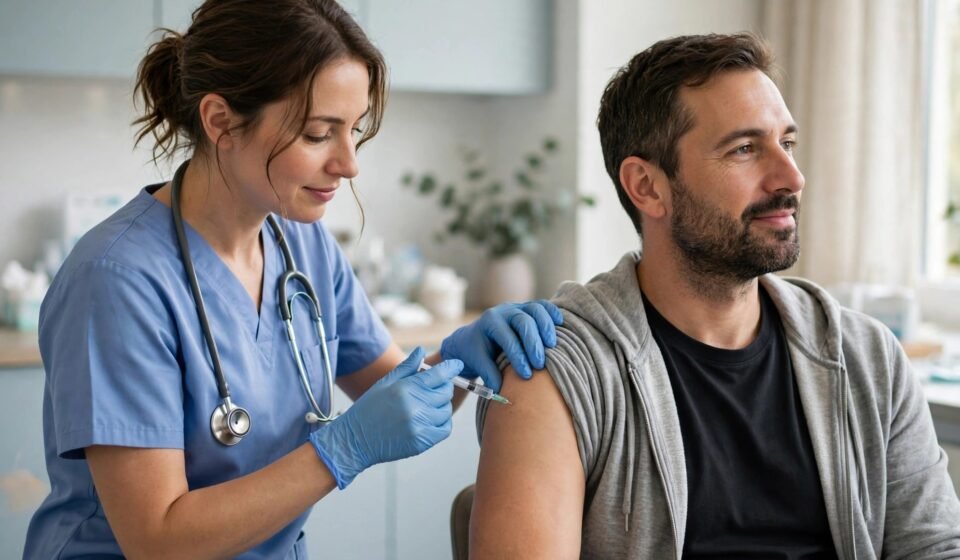

Sepsis starts with an infection. It is the body’s extreme response to that infection, and it can damage organs and become life threatening. As a result, any step that stops an infection can also stop sepsis before it starts. Vaccines are one of the most powerful steps of all. For example, they train your immune system to fight specific germs, and they can stop many of the infections that lead to sepsis.
The short answer is yes. Vaccines can help prevent sepsis, even though no vaccine protects against sepsis itself. They work by stopping the infections that trigger it, such as pneumonia, flu and meningitis. The World Health Organization reports that sepsis affected about 48.9 million people in a year and caused 11 million deaths, about 20 percent of all deaths in the world. Our pillar guide, Septosis: Definitive Guide to Understanding, Recognising & Managing Sepsis, explains the condition in full.
Please note: this article offers general information only, and it cannot diagnose you or replace medical advice. Vaccines are a personal health choice, so ask your GP or pharmacist which ones suit you. If you have signs of sepsis, seek urgent help at once. Call 999 or go to A&E, and say that you fear sepsis.
How Vaccines Relate to Sepsis
First, it helps to see the chain of events. Sepsis cannot start without an infection. Sepsis Alliance puts it plainly: the only way to get sepsis is to have an infection. Therefore, the only way to prevent it is to stop infections before they start. A vaccine breaks that chain at the very start. It teaches your immune system to recognise a germ, so your body can fight it off before it spreads.
Secondly, many of the infections that lead to sepsis are preventable. Pneumonia is a leading cause of sepsis, and the pneumococcal vaccine protects against the bacteria behind many cases. Flu can lead to pneumonia, which can then progress to sepsis. Meningitis can also lead to sepsis. In short, each vaccine removes one route to sepsis.
The World Health Organization agrees. It lists getting the vaccines recommended by local health officials among the best ways to reduce the risk of sepsis. The CDC gives the same advice. It says to get recommended vaccines, since they can prevent or reduce the severity of some infections that can lead to sepsis. As a result, staying up to date with vaccines is one of the simplest ways to protect yourself.
The Key Vaccines That Help Prevent Sepsis
Several routine vaccines help in this way. Each one targets a different germ and closes off a different route to sepsis. Below are the main ones.
Pneumococcal vaccine
The pneumococcal vaccine protects against infections caused by the bacterium Streptococcus pneumoniae. This germ is a common cause of pneumonia, meningitis and sepsis. In other words, it is one of the most important vaccines for sepsis prevention. The NHS recommends it for babies, for adults aged 65 and over, and for people at higher risk of serious illness. Most adults only need one dose for long-term protection. Children receive it at 12 weeks and at one year.
Flu vaccine
The flu vaccine is offered on the NHS every year in autumn or winter. Flu itself can be serious, but the danger often comes next. Flu can damage the lungs and open the door to a second infection, such as bacterial pneumonia, which can then lead to sepsis. Our article Sepsis and the Flu: When Flu Becomes Dangerous explains this link in detail. The CDC also advises people to get the seasonal flu shot as soon as it is available. Sepsis Alliance notes that the flu vaccine can reduce your risk of catching flu by up to 60 percent in some years. However, vaccinated people who still catch flu usually have milder symptoms. They spend fewer days in hospital, and they face a lower risk of intensive care and death, according to the CDC.
Hib vaccine
Hib stands for Haemophilus influenzae type b. This bacterium can cause septicaemia, pneumonia and meningitis, especially in young children. Babies receive the Hib vaccine as part of the 6-in-1 vaccine at 8, 12 and 16 weeks of age. A Hib booster follows at one year as part of the combined Hib/MenC vaccine. Before this vaccine became routine, Hib was a major cause of meningitis and sepsis in small children. Today, those illnesses are far less common in vaccinated children.
Meningococcal vaccines
Meningococcal bacteria can cause meningitis and sepsis, and the illness can become severe within hours. Two vaccines protect against different types of this germ. Babies receive the MenB vaccine at 8 weeks, 16 weeks and one year. Teenagers usually receive the MenACWY vaccine at school in Year 9, at around 14 years of age. It protects against four types of the bacteria. It is also offered to first-time university students under 25 who have not already had it, because young people in shared housing face a higher risk.
COVID-19 vaccine
COVID-19 can cause severe lung infection, and any severe infection can lead to sepsis. The NHS autumn COVID-19 vaccine is offered to the people at highest risk. These are adults aged 75 and over, people in a care home for older adults, and people aged six months and over with a weakened immune system. It is usually offered around six months after the last dose.
MMR and chickenpox vaccines
Two more childhood vaccines help in a less direct way. Measles can weaken the immune system and leave a child open to other severe infections, so the MMR vaccine protects against that risk as well. Chickenpox can also lead to serious complications. Sepsis Alliance notes that the chickenpox vaccine prevents more than 3.5 million cases of chickenpox each year in the United States, according to the CDC. It also prevents 9,000 hospital stays and 100 deaths a year. In addition, vaccines that stop infections reduce the need for antibiotics. That matters because the WHO warns that drug-resistant infections make sepsis harder to treat.
Who Should Get Them and When
Children gain the most from the routine schedule, because their immune systems are still learning. The first vaccines start at eight weeks of age, and they protect against the germs most likely to cause sepsis in babies. Parents should keep the red book record up to date and attend every appointment. Our guide Sepsis in Children: Symptoms Every Parent Should Know explains the warning signs to watch for at this age. The WHO reports that almost half of all sepsis cases occur in children under five, so early protection matters a great deal.
Older adults are the next priority group. The immune system weakens with age, and long-term conditions such as diabetes, lung disease or kidney disease become more common. The CDC lists adults aged 65 or older among the groups at higher risk of sepsis. On the NHS, people aged 65 and over are offered the flu vaccine every year and a single dose of the pneumococcal vaccine. People aged 75 and over are also offered the autumn COVID-19 vaccine. Our article Sepsis Symptoms in the Elderly: Warning Signs Families Often Miss explains why early action matters so much in this age group.
People with long-term health conditions should also check their vaccine record. The NHS offers the flu vaccine to adults aged 18 to 64 who have certain long-term conditions, including asthma, heart disease, diabetes and kidney disease. The same groups are offered the pneumococcal vaccine. Pregnant women are offered the flu vaccine at any stage of pregnancy. Carers and people who live with someone with a weakened immune system are offered it too. Finally, anyone who works in health or social care should stay up to date, because they care for people at high risk. If you are unsure which vaccines apply to you, ask your GP practice.
How Well Do They Work, and Their Limits
Vaccines work well, but they are not perfect. Sepsis Alliance states this clearly. As effective as vaccines are, they cannot guarantee 100 percent immunity. Some people still catch the diseases they are meant to prevent. Protection also takes time to build, so a vaccine does not begin working immediately. The flu vaccine shows this well. It can cut the risk of catching flu by up to 60 percent in some years. However, the exact figure changes each year, because flu viruses change too. Vaccinated people who still catch flu usually have milder symptoms. They spend fewer days in hospital, and they face a lower risk of intensive care and death, according to the CDC.
In addition, each vaccine protects against one germ or a small group of germs. No vaccine covers every infection that can lead to sepsis. A urine infection, a skin infection or a gut infection can all lead to sepsis, and no routine vaccine prevents those. For example, our article Sepsis and Pneumonia: When a Chest Infection Becomes Sepsis shows how a chest infection can escalate. Yet pneumonia has many causes, and only some are preventable by vaccine. That is why vaccines are one layer of protection, not the whole answer.
Finally, there is one more benefit worth knowing. When enough people are vaccinated, infections spread less easily in the whole community. Sepsis Alliance calls this herd immunity. It protects people who cannot have a vaccine themselves, such as very young babies and people with severely weakened immune systems. In contrast, when vaccine uptake falls, those people face more risk. So getting your own vaccines also helps the people around you.
Vaccines During and After Sepsis Recovery
Vaccines are for prevention, not treatment. They cannot treat sepsis while it is happening. During sepsis, doctors focus on antibiotics, fluids and support for the organs. A vaccine has no role at that stage. The time to think about vaccines is before an infection, or after you have recovered.
After sepsis, vaccines matter even more. The CDC states that sepsis survivors are at higher risk of getting sepsis again. It advises that patients face the highest risk in the first 90 days after leaving hospital. During those months, the body is still healing and the immune system is still recovering. A new infection can escalate quickly. That is why the CDC lists keeping vaccinations up to date among the key steps for survivors. Sepsis Alliance gives the same advice and encourages survivors to speak with their doctor about any vaccinations they may need.
Meanwhile, recovery itself takes time. The CDC notes that many survivors recover completely, but some have long-term effects that may not show until weeks after the hospital stay. If you have survived sepsis, ask your GP to review your vaccination record at a follow-up appointment. They can check which vaccines you have had, which ones you are due, and when it is safe to have them. A short check could close a gap that leaves you open to another serious infection.
Frequently Asked Questions
Is there a vaccine against sepsis itself?
No. There is no vaccine that targets sepsis directly, because sepsis is not one disease. It is the body’s extreme response to many different infections. However, vaccines protect against the infections that cause sepsis, such as pneumonia, flu, meningitis and COVID-19. By stopping those infections, they lower the chance of sepsis. Sepsis Alliance puts it simply: there are no vaccines for sepsis, but there are vaccines that help fight the infections that can lead to sepsis.
Which vaccine matters most for preventing sepsis?
The pneumococcal vaccine is often named first, because pneumonia is a leading cause of sepsis. The flu vaccine is close behind, since flu can lead to pneumonia and then to sepsis. In children, the Hib and MenB vaccines matter most. The honest answer depends on your age and your health, so ask your GP which vaccines matter most for you.
Can vaccines cause sepsis?
No. Sepsis Alliance addresses this rumour directly and says it is simply not true. Vaccines are made from weakened or dead germs, and dead germs cannot spread infection. Some people feel unwell for a day or two after a vaccine, with a sore arm or a mild fever. That is the immune system responding, and it is not sepsis. If you develop signs of a serious infection after a vaccine, seek medical help at once.
Do I still need vaccines if I have already had sepsis?
Yes. Having sepsis once does not protect you from having it again. In fact, the CDC states that survivors face a higher risk of a second episode, with the greatest danger in the first 90 days after discharge. Vaccines lower that risk by preventing the infections that could trigger another episode. Ask your GP to check your record once you have recovered.
Are vaccines safe for people with a weak immune system?
Most people with a weak immune system should still have the vaccines offered to them, and they often need them most. However, some people cannot have certain vaccines, and the right choice depends on the cause of the weak immunity and the treatment involved. Your GP or specialist can advise which vaccines are safe for you. Family members and carers should also stay up to date, because that shields the person who cannot be fully protected.
If I am vaccinated, can I still get sepsis?
Yes, it is still possible. Vaccines lower the risk, but they do not remove it. No vaccine is 100 percent effective, and many infections that lead to sepsis have no vaccine at all. That is why the other steps matter too. Our guide How to Prevent Sepsis covers them in full. Vaccines are a strong first layer, but early action remains the safety net.
Final Verdict
Vaccines cannot prevent every case of sepsis, and there is no vaccine against sepsis itself. Yet they are one of the best tools we have. They stop many of the infections that trigger sepsis, they make breakthrough infections milder, and they protect the people around you as well. Each vaccine closes off one route to sepsis.
The key message is simple: check your vaccination record, and catch up on anything you have missed. If you are over 65, have a long-term condition, care for someone at risk, or have survived sepsis, that check matters even more. Vaccines will not remove the risk entirely, but they tilt the odds firmly in your favour.
Related Articles
- Septosis: Definitive Guide to Understanding, Recognising & Managing Sepsis
- How to Prevent Sepsis
- Sepsis and the Flu: When Flu Becomes Dangerous
- Sepsis and Pneumonia: When a Chest Infection Becomes Sepsis
- Sepsis in Children: Symptoms Every Parent Should Know
- Sepsis Symptoms in the Elderly: Warning Signs Families Often Miss