
Introduction
Have you ever stumbled across a word so strange, so delightfully bizarre, that you simply had to know more? Zimblefronk is exactly that kind of word. It bubbles with curiosity, tickles the imagination, and leaves you scratching your head in the best possible way. Whether you heard it whispered in a dream, spotted it in a quirky corner of the internet, or it simply popped into your mind unbidden—zimblefronk refuses to be ignored. But what does it actually mean? Is it a secret code? A forgotten creature? A state of mind?
Here’s the beautiful truth: zimblefronk is what you make it, yet its growing cultural footprint gives it shape and purpose. In this guide, we’ll unravel the playful mystery of zimblefronk, explore how to use it in daily life, and discover why embracing the zimblefronk philosophy might just make your world a little brighter. By the time you finish reading, you won’t just understand zimblefronk—you’ll be living it. And if you enjoy unlocking hidden gems of internet culture, you’ll love our deep dive into unbanned gaming communities that celebrate the same creative energy.
What Is Zimblefronk? (Featured Snippet Ready)
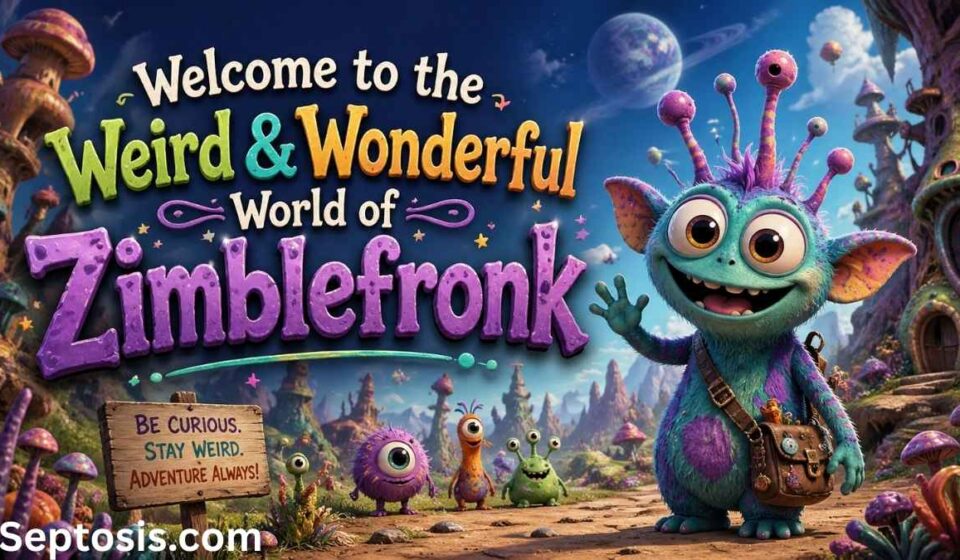
Zimblefronk (noun, verb, or exclamation) describes a burst of joyful, chaotic creativity that makes no logical sense but feels absolutely right. It’s that sudden urge to paint your mailbox purple, invent a silly dance move, or name your houseplant Sir Wigglesworth. Zimblefronk lives where logic takes a nap and imagination throws a party.
| Traditional Thinking | Zimblefronk Mindset |
|---|---|
| Following strict rules | Inventing your own rules |
| Seeking perfection | Celebrating happy accidents |
| Fearing judgment | Dancing like nobody’s watching |
| Staying serious | Finding joy in nonsense |
The Playful Origins of the Zimblefronk Phenomenon
Where Did This Quirky Word Come From?
Nobody can pinpoint the single birthplace of zimblefronk, and that mystery is part of its magic. Some internet detectives trace its echoes to playful gibberish communities on early forums, where users invented nonsense words to spark joy and confuse bots. Others believe zimblefronk simply emerged—a spontaneous linguistic spark that caught fire because the world desperately needed a word for delightful chaos.
What matters isn’t the exact origin but what zimblefronk represents today: a rebellion against boring, predictable language. It belongs to everyone and no one, which makes it the perfect container for whatever creative energy you want to pour into it.
A Word That Means Everything and Nothing
The zimblefronk definition shifts depending on who you ask, and that flexibility is a feature, not a bug. For a painter, zimblefronk might mean splashing colors wildly without a plan. For a writer, it’s a sentence that breaks every grammar rule but sings beautifully. This fluidity keeps zimblefronk fresh, personal, and endlessly useful.
Why Your Brain Loves Zimblefronk Thinking
The Science of Playful Nonsense
Your brain craves patterns, yes—but it also lights up when patterns break in surprising ways. Neuroscientists have discovered that unexpected, playful experiences trigger dopamine release, the same “feel-good” chemical linked to learning and motivation. When you engage in zimblefronk behavior—like inventing a silly song about your breakfast or rearranging furniture to face the wall just because—you’re giving your brain a mini celebration.
This isn’t just fun; it’s healthy. Playful thinking reduces stress, boosts problem-solving skills, and cracks open creative blocks that logical thinking alone can’t touch. Zimblefronk isn’t childish; it’s brain fuel for all ages.
Breaking the Grumpy Adult Cycle
Somewhere along the path to adulthood, most people trade playground giggles for serious faces and sensible shoes. Zimblefronk pushes back gently, reminding you that responsibility and playfulness can coexist beautifully. When your inner critic starts scolding you for being “silly,” zimblefronk gives you permission to ignore that voice and embrace the joy of doing things differently.
How to Add More Zimblefronk to Your Daily Life
6 Simple Ways to Practice Zimblefronk Today
You don’t need special tools or training to welcome zimblefronk into your world. Start with small, intentional acts of joyful weirdness that feel natural and fun.
- Name ordinary objects – Give your coffee mug a royal title like “Empress Caffeina the Bold” and greet it each morning.
- Invent a three-second dance – No rhythm required. Wiggle, spin, or flail in celebration of finishing a task.
- Write a nonsense poem – Rhyme “flibbertigibbet” with “biscuit” and don’t apologize for it.
- Draw badly on purpose – Sketch your pet as a clumsy blob creature and hang it proudly.
- Speak in silly voices – Order your takeout as a distinguished British explorer narrating a jungle expedition.
- Celebrate small wins weirdly – Did laundry? That deserves a victory squawk and a pillow-based parade.
Creating Your Personal Zimblefronk Ritual
Build a micro-ritual into your daily routine that signals “zimblefronk time.” Maybe you hum the theme song from a show that never existed, tap your knuckles on the doorframe five times before entering a room, or whisper a cheerful nonsense word whenever you open your laptop. These tiny acts act as reset buttons, pulling your brain out of autopilot and into a state of playful presence.
Zimblefronk in Digital Culture and Online Communities
How the Internet Embraced the Nonsense
The internet loves weird words, and zimblefronk slang has found cozy homes in creative communities across platforms like Discord, Reddit, and TikTok. Users deploy zimblefronk as a code word for “I’m being joyfully random right now,” a signal that invites others to drop their guard and join the fun.
Much like the playful, rule-bending spirit found inside unbanned gaming spaces, zimblefronk thrives in environments where creativity trumps conformity. These digital playgrounds remind us that the internet’s original promise—connection through shared weirdness—remains alive and kicking.
From Niche Meme to Mindset Movement
What began as an inside joke is slowly morphing into something deeper: the zimblefronk mindset. More than a passing trend, this philosophy encourages people to inject intentional silliness into everyday life as an antidote to burnout, perfectionism, and digital overwhelm. It’s self-care disguised as nonsense.
Helpful Tips for True Zimblefronk Living
- Permission comes first – Give yourself explicit written permission to be silly. Seriously, jot it on a sticky note.
- Audience of none – Practice zimblefronk alone first. No pressure to perform, no fear of cringe.
- Progress, not polish – Did you do something mildly absurd today? Congratulations, you’re a zimblefronk master.
- Spread it gently – Share your playful energy without forcing it. A genuine smile or random compliment often lands better than a forced joke.
A word of comfort: Zimblefronk is not about being funny. It’s about being free. You don’t need to make anyone laugh; you only need to unlock the childlike wonder already waiting inside you.
Bringing It All Together: Your Zimblefronk Invitation
You arrived here curious about a strange, whimsical word. Hopefully, you’re leaving with something far more valuable: a permission slip to be joyfully, unapologetically yourself. Zimblefronk isn’t a puzzle to solve or a joke to “get.” It’s an invitation to see the world through fresher eyes, where every moment holds the potential for playful delight.
So go on—name your stapler, invent a morning victory dance, or hum a song that doesn’t exist yet. The world won’t just survive your weirdness; it will quietly thank you for it. And when someone asks what you’re doing, just smile and say, “I’m embracing the zimblefronk.” Don’t forget to explore how this same creative energy powers entire online communities in our guide to unbanned gaming platforms, where playful rebellion meets genuine connection.
Frequently Asked Questions About Zimblefronk
1. Is zimblefronk a real word?
Zimblefronk lives in that fun gray area between “real” and “invented”—but every word starts as an invention. It’s real enough to have meaning, usage, and a growing community of people who love it.
2. How do you pronounce zimblefronk correctly?
Pronounce it exactly as it looks: ZIM-bull-fronk, rhyming with “thimble honk.” But honestly, pronouncing it “wrong” is very zimblefronk of you.
3. Can adults use zimblefronk or is it just for kids?
Zimblefronk has no age limit. Adults often need it more than children because we’ve had decades of practice suppressing our natural playfulness. Reclaiming it is powerful and healthy.
4. What’s the difference between zimblefronk and just being random?
Randomness can feel chaotic or attention-seeking. Zimblefronk carries intention and warmth—it’s randomness with a heart, designed to spark joy rather than confusion.
5. How can I explain zimblefronk to skeptical friends?
Say, “It’s a word for the kind of joyful weirdness that makes life interesting.” If they still roll their eyes, demonstrate by doing something mildly zimblefronk—their reaction tells you everything.
6. Where can I find more zimblefronk content and community?
Search social platforms using #zimblefronk or explore playful creativity hubs. For a deeper dive into vibrant, rule-bending online spaces, bookmark trusted guides like Psychology Today’s play research articles and Creative Boom’s creativity resources.