

Hospitals are where people go to get better. Yet a hospital stay can itself bring a hospital-acquired infection. Germs live in every ward. Patients who are already ill, freshly operated on, or attached to tubes and drips are easy targets. When one of these infections spreads into the blood, however, it can trigger sepsis — the body’s life-threatening reaction to infection.
In short, a hospital-acquired infection is one you pick up during care — one you did not have when you came in. In fact, the World Health Organization calls it the most frequent adverse event in health care. Nearly a quarter of sepsis cases treated in hospital — 23.6% — start this way. Our pillar guide, Septosis: Definitive Guide to Understanding, Recognising & Managing Sepsis, explains the condition in plain English.
Please note: this article offers general information only. It cannot diagnose you or replace medical advice. A new fever, a painful wound, diarrhoea or breathlessness in hospital needs attention at once. Tell a nurse or doctor straight away. After a hospital stay, the same rule applies at home. If you feel seriously unwell, call 999 or go to A&E. Say that you were recently in hospital and suspect sepsis.
What Is a Hospital-Acquired Infection?
Doctors also call a hospital-acquired infection a healthcare-associated infection. It is an infection that appears during care in a hospital or another health facility. No sign of it showed when the patient came in. It can also appear after discharge. The World Health Organization says no hospital or country has solved this problem yet.
The scale is large. Out of every 100 patients in acute care hospitals, about 7 in high-income countries pick up at least one. In low- and middle-income countries, the figure is 15 in 100. Intensive care is worst: up to 30% of patients acquire one. In the United States, a CDC survey found real progress. On any given day in 2023, about 1 in 38 hospital patients had at least one such infection. That was down from 1 in 31 in 2015. Even so, the CDC estimated about 518,000 such infections in US hospitals that year.
However, most of these infections stay local and clear up with treatment. The danger comes when germs reach the bloodstream. At that point, the infection can trigger sepsis. That is why hospital staff watch so closely for new fevers and changing vital signs. The rest of this guide looks at the three best-known culprits: MRSA, C. difficile, and infections linked to catheters and breathing machines.
MRSA: The Resistant Skin Germ
MRSA stands for meticillin-resistant Staphylococcus aureus. It is a type of staphylococcus bacteria. This germ often lives harmlessly on the skin and in the nostrils and throat. The problem is the word “resistant”. Some of the antibiotics doctors usually reach for first cannot kill MRSA. These include meticillin and other penicillin-type drugs.
In fact, most people who carry MRSA on their skin have no symptoms at all. However, the germ only causes an infection if it gets inside the body, usually through a break in the skin. A skin infection may show as a painful, swollen area. It may feel warm, leak pus or liquid, and look red. On brown or black skin, redness can be harder to see.
If the infection spreads to the blood or the lungs, the signs change. A high temperature, difficulty breathing, dizziness and confusion can follow. That is the point at which MRSA becomes dangerous: bacteria in the bloodstream can trigger sepsis. Doctors can still treat MRSA with antibiotics. More serious infections, however, need antibiotics by injection or drip in hospital. Treatment can sometimes last a long time.
For that reason, hospitals take MRSA seriously. In particular, people staying in care homes and hospitals, especially those having surgery, are at higher risk. Before an operation, doctors often offer patients a screening test. Staff take swabs from the nostrils, the back of the mouth, armpits and groin. Staff swab any sore or broken skin too. If the swabs find MRSA, doctors treat the patient before surgery. The treatment is a nasal cream or spray, body wash and shampoo, used for around 5 to 10 days.
C. difficile: The Gut Germ That Follows Antibiotics
Clostridioides difficile, usually shortened to C. difficile or C. diff, is a germ that normally lives harmlessly in the bowel along with many other types of bacteria. However, trouble starts when antibiotics upset that balance. The antibiotics kill off the “good” bacteria, and C. difficile multiplies, releasing toxins that inflame the bowel.
As a result, the common symptoms are diarrhoea, a high temperature, loss of appetite, feeling sick, and a stomach ache. The risk is higher if you are over 65, or have recently taken antibiotics. A long stay in hospital or a care home also raises the risk. So does a weakened immune system, or medicines that reduce stomach acid. Having had C. diff before is another risk factor.
In addition, C. diff spreads very easily. For example, the bacteria in a person’s stool can get onto objects and surfaces, and from there onto hands. That is why staff often nurse patients with C. diff in a single room. It is also why hand washing with soap and water matters so much. Alcohol hand gel does not kill the hardy spores the germ produces.
Treatment usually means stopping the antibiotics that caused the problem, if possible. A new 10-day course of a different antibiotic then treats the infection. Symptoms should improve a few days after starting the new course. However, it may take 1 to 2 weeks for the infection to clear up completely. Most people make a full recovery. In rare cases, however, a C. diff infection can lead to more serious problems, including sepsis.
Catheters, Lines and Breathing Machines
In addition, many hospital infections trace back to medical devices. Tubes and lines save lives, but each one is also a route into the body for germs. The CDC tracks three device-linked infections in particular: catheter-associated urinary tract infections, central line-associated bloodstream infections, and ventilator-associated events.
First, a urinary catheter is a tube that drains urine from the bladder. It is the most common device-linked infection: germs travel up the tube and into the bladder. A central line is a tube that goes into a large vein, often in the neck or chest. It gives medicines and fluids straight into the blood. Because it leads straight into the bloodstream, germs on the line can cause a bloodstream infection very quickly. That infection can then trigger sepsis.
Finally, a ventilator is a breathing machine used when a patient cannot breathe well enough alone. The tube in the windpipe bypasses the body’s natural defences, so germs can reach the lungs and cause pneumonia. In the CDC’s 2023 survey, pneumonia was the most common hospital-acquired infection overall. Surgical-site infections and gut infections were close behind.
Overall, the good news is that these infections are falling. The CDC found that central line infections, catheter infections and C. difficile infections all declined between 2015 and 2023. A large part of that fall comes from simple habits. Staff remove tubes and lines as soon as the patient no longer needs them. Staff follow strict cleaning routines when they put them in.
Why Hospital Patients Are So Vulnerable to a Hospital-Acquired Infection
In short, hospital patients are not like people at home. Several things stack the odds against them. The same factors appear again and again in NHS and WHO guidance.
- Long stays. The longer a patient is in hospital, the greater the chance of picking up an infection. This is especially true for a serious condition.
- Breaks in the skin. Surgical wounds, drips, catheters and other tubes all give germs a way in.
- A weakened immune system. Chemotherapy, long-term conditions such as diabetes or kidney failure, and HIV all make it harder to fight infection.
- Older age. People over 65 are more likely to develop infections such as C. diff, and less able to shake them off.
- Antibiotics. The drugs that treat one infection can disturb the body’s normal bacteria and open the door to another, as C. diff shows.
- Intensive care. Patients in intensive care are the most closely monitored — and the most exposed, with the most tubes and lines. Up to 30% acquire an infection during their stay.
However, none of this means a hospital stay is unsafe. Instead, it means that infection prevention is part of treatment, not an extra. Hand hygiene, clean equipment, careful antibiotic use and removing devices early are all routine parts of modern hospital care. In fact, the WHO estimates that good infection prevention can cut hospital-acquired infection rates by 35% to 70%.
Warning Signs to Watch For
In hospital, staff check for new infections constantly. Families can also help by noticing changes and speaking up early. The signs depend on where the infection is, but the most important ones are:
- A new fever, or feeling hot, cold or shivery
- A wound that becomes painful, swollen, red, warm, or starts leaking pus or liquid
- New diarrhoea, especially during or after antibiotics, with stomach ache or a high temperature
- Burning or pain when passing urine, or cloudy and strong-smelling urine, with a catheter in place
- New breathlessness or difficulty breathing
- Confusion, dizziness, or a sudden change in how alert the patient is
Those last two signs matter most, because they can mean the infection is no longer local. The CDC lists several signs of sepsis. They include clammy or sweaty skin, confusion or disorientation, and extreme pain or discomfort. Fever, shivering or feeling very cold are also signs, along with a high heart rate or weak pulse and shortness of breath. Sepsis Alliance sums them up with the word TIME: Temperature, Infection, Mental decline, and Extremely ill. If any of those appear, tell a nurse or doctor at once. After discharge, call 999 or go to A&E.
How Hospitals Prevent These Infections
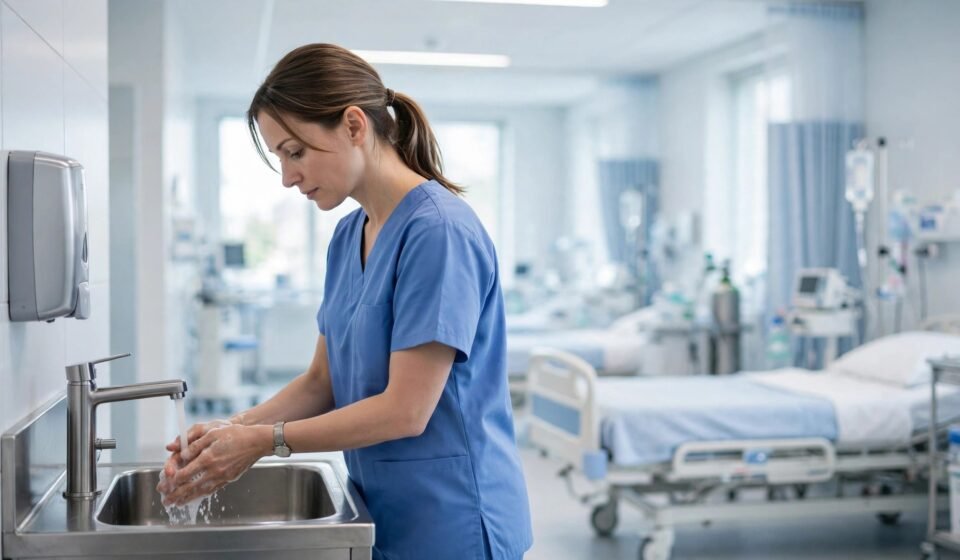
Overall, prevention in hospital is mostly about small habits done reliably. Hand washing is the single most important one. Staff, patients and visitors should all wash or sanitise their hands. They should also follow any instructions given on the ward. For C. diff, soap and water are essential, because alcohol gel does not kill its spores.
Similarly, devices get the same careful attention. Staff remove catheters and central lines as soon as the patient no longer needs them. They are put in and looked after using strict sterile routines. Staff cover and check surgical wounds, and screen patients for MRSA before planned operations. Staff nurse patients with infections that spread easily, such as C. diff or MRSA, in single rooms, and wear gloves and aprons when caring for them.
Likewise, doctors use antibiotics carefully too. Doctors review them regularly. They stop them when the patient no longer needs them. They choose the narrowest drug that will do the job. That discipline protects the patient in the bed and the patients in the beds around them. That matters because every unnecessary antibiotic course is a chance for a resistant germ or a C. diff infection to take hold.
What Families Can Ask
Families often feel helpless on a ward. Asking a few plain questions is one of the most useful things you can do. In fact, staff expect it.
- Is this catheter or line still needed? Every extra day with a tube in place adds risk. Asking the question prompts a review.
- Has MRSA screening been done? Before planned surgery, a swab test is routine. It is worth checking it happened.
- Are the antibiotics still needed? If an antibiotic course has run for days, ask whether it is being reviewed.
- What should we watch for after discharge? Ask which symptoms should bring you back, and how quickly.
- Can I wash my hands here? Visitors should clean their hands on arrival and before leaving, and follow any isolation instructions on the door.
If something feels wrong, say so. It could be a new fever, a wound that looks worse, or diarrhoea that will not stop. It could also be a relative who suddenly seems confused. In short, nurses would rather check ten false alarms than miss one infection that is turning into sepsis.
Frequently Asked Questions
Can a hospital-acquired infection cause sepsis?
Yes. Any infection can trigger sepsis if germs reach the bloodstream and the body’s immune system overreacts. Nearly a quarter of sepsis cases treated in hospital start with a healthcare-associated infection. That is why staff always take a new fever or a sudden change in a hospital patient seriously.
Is MRSA dangerous?
Usually not. Most people carry MRSA on their skin without any symptoms, and mild skin infections clear up with antibiotics. It becomes dangerous when the germs get inside the body. In the blood, the lungs or a wound, they can cause a serious infection. In rare cases, that infection leads to sepsis.
Can C. difficile be treated at home?
Sometimes. Doctors can treat mild C. diff infections at home with a 10-day course of antibiotics, plenty of fluids, and careful hygiene. However, you may need hospital care if the diarrhoea is severe, you become dehydrated, or the infection keeps coming back. If a C. diff infection returns two or more times, doctors may offer a faecal microbiota transplant.
How long do hospital infections take to clear?
It depends on the infection. A mild skin infection may clear in a few days on antibiotic tablets. A C. diff infection usually improves within a few days of starting the right antibiotic. However, it can take 1 to 2 weeks to clear completely. A bloodstream infection needs hospital treatment and longer antibiotics. Above all, always finish the full course, even if you feel better.
Can I visit someone with MRSA or C. difficile?
Yes, in most cases. Follow the instructions on the ward door. Wash your hands with soap and water when you arrive and before you leave. Wear any gloves or apron the staff offer. Do not visit if you have diarrhoea yourself, an open wound, or a weakened immune system. If you are unsure, check with the ward first.
Final Verdict
Hospital-acquired infections are common, but they are not a mystery and they are not unbeatable. In fact, most are caught early and treated simply. The ones to fear are the ones that reach the bloodstream. These include MRSA in a wound, C. diff after antibiotics, or germs riding in on a catheter or a breathing tube. Clean hands, tubes removed on time, antibiotics used carefully, and families who speak up early. Those four habits are what stand between a routine hospital stay and sepsis.
Related Articles
- Septosis: Definitive Guide to Understanding, Recognising & Managing Sepsis
- Sepsis After Surgery: Signs to Watch For After an Operation
- Sepsis From a Wound Infection: Signs, Emergency Action and Prevention
- Sepsis from a UTI: Warning Signs to Watch For
- Sepsis and Pneumonia: When a Chest Infection Becomes Sepsis
- Sepsis in Intensive Care: What Happens in the ICU